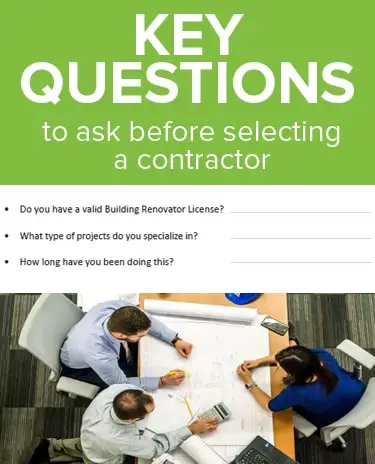

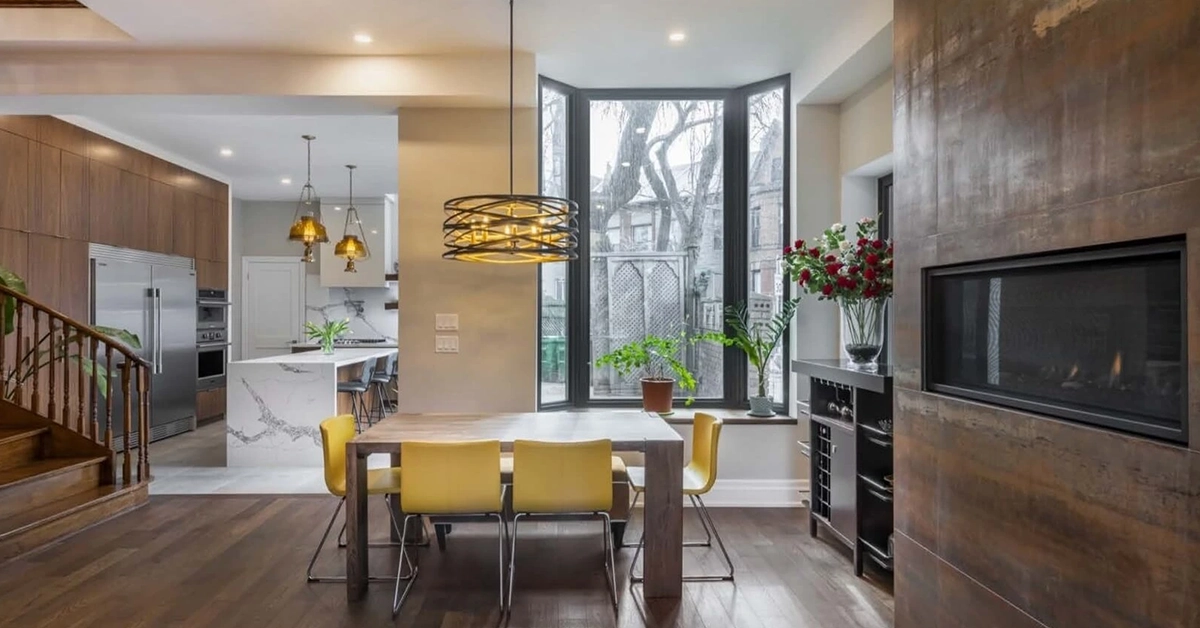
Many homeowners use the terms renovation and remodelling interchangeably, but they do not always mean the same thing. Understanding the difference matters because it can affect your budget, timeline, permits, contractor conversations, and overall project planning.
A renovation usually focuses on updating, repairing, or refreshing an existing space without changing its main structure or purpose. A remodel typically involves changing the layout, function, or structure of a space, such as removing walls, relocating plumbing, or reconfiguring a kitchen.
This guide should help homeowners understand the difference between renovation and remodelling, compare examples, and decide which approach is right for their home improvement goals.
Key Takeaways Before You Start
- Definitions Matter: The home renovation meaning centres on refreshing a space, while the home remodelling meaning focuses on altering the structure or layout.
- Budgeting Realities: Understanding renovation vs remodelling cost distinctions helps you allocate funds wisely from the very beginning.
- Permit Requirements: Knowing if remodelling requires permits (often yes) versus a simple renovation (often no) saves time and legal headaches.
- Professional Guidance: An experienced home remodelling contractor or design-build firm will help you diagnose your home’s pain points rather than expecting you to have all the technical answers.
What Is a Home Renovation?
When you look around your current home, you might notice that the layout actually works well for your family, but the surfaces look tired. This is where a renovation shines. To define the home renovation meaning simply, it is the process of improving, repairing, restoring, or updating an existing space while keeping the same general layout and function.
You are taking what is already there and making it look and feel new again. The walls stay where they are, the plumbing fixtures remain in their current locations, and the structural integrity of the home is untouched.
Common Home Renovation Examples
- Painting walls to brighten up a dark living room
- Replacing flooring to remove old carpets and install modern hardwood
- Updating cabinets or cabinet hardware to give a kitchen a fresh face
- Replacing countertops with durable quartz or natural stone
- Installing new light fixtures to improve visibility and mood
- Upgrading bathroom vanities without changing the plumbing lines
- Replacing doors or trim to elevate the interior style
- Refreshing an outdated kitchen without changing the layout
- Modernizing finishes in an existing space to match your current taste
When Renovation Makes Sense
Choosing a renovation makes sense when your daily routine flows smoothly in the current space, but the aesthetic no longer brings you joy. Perhaps your family size has not changed, and you simply want to enjoy a more modern, comfortable environment. Renovation is ideal when the layout already works, you want a visual refresh, and your primary goal is to improve comfort, style, or resale appeal without engaging in major structural work. It allows you to breathe new life into your home with a project scope that is generally easier to manage.
What Is Home Remodelling?
Sometimes, a fresh coat of paint and new countertops are not enough to fix a home that frustrates you daily. If your kitchen feels isolated from the rest of the family or your bathroom is too small to move around in comfortably, you are likely looking at a remodel. The home remodelling meaning revolves around changing the layout, structure, or function of a space.
Because remodelling alters the very footprint of how you live in your home, it is usually more complex and often requires professional planning. You are not just updating the surface; you are fundamentally changing how the home operates to better suit your lifestyle.
Common Home Remodelling Examples
- Removing walls to create an open-concept layout between the kitchen and dining area
- Relocating a kitchen sink or island to improve the cooking workflow
- Moving plumbing in a bathroom to accommodate a larger walk-in shower
- Converting a basement into a legal living space or rental suite
- Adding a bathroom where one did not previously exist
- Building a home addition to give your family more square footage
- Changing room layouts to better suit how you use your home today
- Expanding a kitchen or primary suite by borrowing space from an adjacent room
- Reconfiguring an entire floor plan to modernize an older Toronto property
When Remodelling Makes Sense
If you constantly bump into each other in a cramped kitchen or lack the functional space your growing family needs, remodelling is the right path forward. Remodelling is best when the existing layout no longer supports your lifestyle, the space feels cramped, or major functional improvements are needed. When the bones of the house are good, but the floor plan belongs to a bygone era, a remodel transforms your house into a home that genuinely works for you
Home Renovation vs Home Remodelling: Key Differences
To help clarify the core distinctions, here is a side-by-side comparison table outlining the key differences.
| Factor | Renovation | Remodelling |
| Main Goal | Refresh or restore | Change layout, function, or structure |
| Scope | Usually smaller | Usually larger |
| Cost | Generally lower | Generally higher |
| Timeline | Shorter | Longer |
| Permits | Often not required | Often required |
| DIY Potential | More DIY-friendly | Usually needs professionals |
| Structural Work | Minimal or none | Often involved |
| Best For | Cosmetic updates | Functional transformation |
Why the Difference Matters Before You Start
You might wonder why it is so important to distinguish between these two terms. Knowing what the difference between home renovation and home remodelling is helps you communicate clearly with contractors, plan budgets accurately, and understand whether permits or design work may be required.
It Affects Your Budget
One of the first questions homeowners ask is about the renovation vs remodelling cost. Renovations are usually less expensive because they often use the existing layout and systems. You are primarily paying for surface materials and the labour to install them. Remodelling can cost more because it may involve demolition, new materials, plumbing, electrical, engineering, or permits.
It Affects Your Timeline
Disruption to your daily life is a major concern for any homeowner. The renovation vs remodel timeline differs significantly. Renovations may take days or weeks, depending on the project. Remodels can take longer because they require more planning, approvals, trades, inspections, and coordination of construction. Setting the right expectations early helps your family prepare for the journey ahead.
It Affects Permits and Professional Requirements
Navigating local regulations is critical for a smooth project. Many cosmetic renovations do not require permits, but remodels involving structural changes, plumbing, electrical work, or additions may require permits and inspections. Working with a knowledgeable home remodelling contractor ensures your project strictly adheres to Toronto building codes.
Cost Differences Between Renovation and Remodelling
Understanding how your budget will be utilized gives you peace of mind. Costs vary based on home size, room type, materials, project complexity, and whether structural or mechanical changes are involved. If you are asking, “Is renovation cheaper than remodelling?”, the answer is generally yes, but let us explore the reasons why.
Why Renovations Usually Cost Less
- They often involve surface-level updates
- They usually keep the same layout
- They require less demolition
- They may need fewer trades
- They often have shorter timelines
Why Remodels Usually Cost More
- They may require design planning
- They may involve demolition
- They can require plumbing or electrical relocation
- They may need permits and inspections
- They often involve more skilled trades
- They may include structural work
Budget Tip for Homeowners
One thing you will often hear is to build in a contingency fund for surprises that show up once walls are opened up. While it is true that especially older Toronto and GTA homes often have hidden issues that could creep up on your budget, SOSNA does a full inspection before the first hammer swings to give you a fixed-price quote that already factors in the outdated wiring or uneven framing behind the plaster in neighbourhoods like Riverdale or the Annex, so the price you see is the price you will pay.
Does Renovation or Remodelling Require Permits?
The question of whether remodelling requires permits is a common one, and the answer hinges entirely on your project scope. Permit requirements depend on the scope of work, local building codes, and whether the project changes the structure, plumbing, electrical systems, or the designated use of the space.
Projects That May Not Require Permits
- Painting
- Flooring replacement
- Cabinet hardware updates
- Fixture updates
- Cosmetic refreshes
- Basic finish upgrades
Projects That Often Require Permits
- Removing or altering load-bearing walls
- Adding new rooms or additions
- Basement conversions
- Major plumbing relocation
- Electrical system changes
- Structural modifications
- Changing the use of a space
Toronto/GTA Planning Note
Local municipalities take building safety seriously. Homeowners in Toronto and the GTA should confirm permit approvals and requirements before starting work, especially for additions, basement renovations, structural changes, or major layout changes. A professional design-build firm will handle this process for you, ensuring compliance and peace of mind.
Renovation Examples by Room
To visualize the home renovation vs remodelling discussion, let us look at some practical home renovation vs remodel examples, room by room, focusing first on renovations.
Kitchen Renovation Examples
- Replacing countertops
- Painting or refacing cabinets
- Updating backsplash
- Replacing lighting
- Installing new flooring
- Updating appliances without changing the layout
Bathroom Renovation Examples
- Replacing vanity
- Updating tile
- Installing new fixtures
- Replacing mirrors and lighting
- Refreshing finishes without moving plumbing
Basement Renovation Examples
- Updating flooring
- Improving lighting
- Painting walls
- Replacing ceiling finishes
- Refreshing an existing finished basement
Remodelling Examples by Room
When your home needs a functional overhaul, remodelling takes centre stage.
Kitchen Remodelling Examples
- Changing the kitchen layout
- Removing walls
- Adding a large island with plumbing
- Relocating appliances
- Creating an open-concept kitchen
Bathroom Remodelling Examples
- Moving the shower, toilet, or vanity
- Expanding the bathroom footprint
- Adding a new bathroom
- Changing the layout for accessibility
Basement Remodelling Examples
- Converting unfinished space into living space
- Adding a bathroom
- Creating a legal suite
- Changing ceiling, insulation, plumbing, and electrical systems
Renovation vs Remodelling for Resale Value
When evaluating renovation vs remodelling for resale value, it is helpful to know that, in our long experience, neither is a good investment in a strict financial sense. The main triggers should always be comfort, lifestyle, functionality, and your long-term plans. You deserve to enjoy the space you live in right now.
Renovations That Can Improve Resale Appeal
- Fresh paint
- Updated kitchens
- Updated bathrooms
- Modern flooring
- New lighting
- Improved curb appeal
Remodels That Can Improve Long-Term Value
- Home additions
- Functional kitchen redesigns
- Basement living space
- Primary suite improvements
- Better layouts for modern living
Should You Renovate or Remodel?
If you are trying to figure out how to choose between renovation and remodelling, it all comes down to your daily experience within your home. If you are asking yourself, “When should I renovate instead of remodel?” or the other way around, “When should I remodel my home?”, consider the following points.
Choose Renovation If:
- The layout already works
- You want a visual update
- You have a smaller budget
- You want a shorter timeline
- You are preparing the home for sale
- You do not need structural changes
Choose Remodelling If:
- The layout no longer works
- You need more space
- You want to change how a room functions
- You need plumbing, electrical, or structural changes
- You plan to stay in the home long-term
- You want a custom design-build solution
If you find that the current footprint of your house restricts both a renovation and a remodel, you might find yourself asking, Should I Renovate or Move? This is a significant crossroad, and exploring all your options is the best way to move forward confidently.
Why a Design-Build Firm Helps with Remodelling Projects
Remodelling often involves more moving parts than a simple renovation. From navigating Toronto building codes to managing skilled trades and handling a complex construction agreement, the details add up quickly. A design-build firm can simplify the process by consolidating design, budgeting, permitting, construction planning, and project management into a single coordinated team. This integrated approach shields you from the stress of acting as a middleman between an architect and a home renovation contractor.
Benefits of Design-Build Planning
- Clearer communication
- Better budget alignment
- More realistic timelines
- Fewer disconnects between design and construction
- Improved accountability
- Streamlined permit and planning support
- More organized project management
Common Mistakes Homeowners Make
When you are standing at the starting line of a major project, figuring out How to Navigate Renovation Decisions can feel overwhelming. We see homeowners make a few common missteps that are easy to avoid.
Trying to Self-Diagnose the Project
The biggest mistake homeowners make is deciding the exact scope of the project before talking to a professional. You do not need to know the technical difference between a renovation or remodelling project before reaching out. That is the contractor’s job. Simply share your pain points. Tell us that your kitchen feels cramped, the layout is awkward, or your basement is too dark, and let an expert prescribe the right solution tailored to your lifestyle.
Comparing Quotes Without Matching Scope
Comparing numbers on a page is a recipe for frustration if those numbers do not represent the same outcome. Homeowners should compare quotes based on the same Design, scope, materials, timelines, and included services. A lower quote might simply be missing essential elements, such as material selections or dedicated project management.
Underestimating Permits and Planning
Speeding through the planning phase usually results in delays during construction. Major remodelling projects may need more planning time before construction starts. Securing the right permits and making all material choices beforehand prevents costly change orders down the road.
Underestimating Experience
Homeowners are smart enough to understand that the cheapest quote is never a good idea.
Renovations or remodelling are like a surgery. It is very intrusive and risky. There is so much potential for something going wrong. Even the smallest surgery could go sideways.
Nobody would want to be operated on by a student or by a fresh doctor just out of school, right? If we have to go through the surgery, we would want the doctor to be experienced, someone who has done it many times before and probably made mistakes and learned from them before with somebody else. We don’t want them to learn while operating on us. Correct?
Selecting a seasoned team ensures that your home is in safe, capable hands from the initial design consultation to the final walkthrough.
Simple Homeowner Decision Checklist
Before choosing renovation or remodelling, ask:
- Do I want to refresh the space or change how it functions?
- Does the current layout work for my lifestyle?
- Will walls, plumbing, or electrical systems need to move?
- Do I need permits?
- What is my realistic budget?
- How much disruption can my household manage?
- Am I planning for resale or long-term living?
- Do I need design guidance before construction?
- Would a design-build team make the process easier?
Transforming Your Home: Navigating Your Renovation vs Remodelling Journey
A successful home improvement project starts with understanding what your home truly needs to better serve your family. A renovation may be the right choice when your space needs a fresh look, better finishes, or practical updates that do not alter the floor plan. A remodel may be the better investment when your home’s layout, flow, or function no longer supports your lifestyle and requires a deeper structural transformation.
Whether you are refreshing one room or rethinking your entire home, careful planning helps protect your budget, timeline, and long-term satisfaction. Working with an experienced design-build team can make the process clearer, more organized, and less stressful, allowing you to enjoy the journey of creating your ideal living space.
If you are unsure whether your project is a renovation or remodel, SOSNA can help you evaluate your goals, understand your options, and plan the right path forward.
Plan the right home improvement project with confidence from the beginning. Book a free consultation with SOSNA today!
10 Views