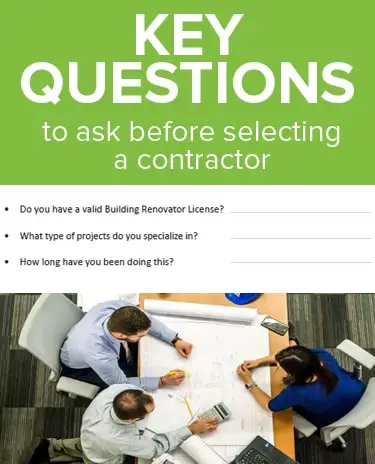


Taking the leap to renovate your Toronto home is an exciting milestone. You likely envision a beautiful space where you will spend the next chapter of your life making memories with family and friends. However, the path to getting there can feel daunting. Hiring the right contractor is one of the most important decisions in any renovation project. It is perfectly normal to feel anxious about making the wrong choice. Unfortunately, many homeowners focus too heavily on price alone when deciding who to hire.
Poor contractor selection can lead to delays, hidden costs, and stressful renovation experiences. In fact, research suggests that 19 percent of all couples consider divorce at the end of a major renovation (possibly, due to choosing the wrong contractor). That staggering statistic underscores the emotional and financial weight this decision carries. You want a process that brings you closer together, not one that adds unnecessary friction to your daily life.
While you likely already know that the lowest bid rarely delivers the best experience, figuring out exactly what to evaluate beyond the price tag can still feel overwhelming. True value actually comes from transparent communication, a proven planning process, and finding a partner who respects your home. This guide provides a clear framework you can use to confidently evaluate contractors on the details that truly matter, helping you avoid stressful mistakes along the way.
Key Takeaways
- Take time to evaluate: Learning how to evaluate a contractor properly protects your emotional well-being and your financial investment.
- Look beyond the total price: A thorough renovation estimate requires comparing the detailed scope of work, not just the final number at the bottom of the page.
- Communication is an indicator of success: How a renovation company communicates during the quoting phase reveals how they will manage the entire project.
- Systems prevent surprises: A documented project management system with daily logs minimizes stress and keeps your household running smoothly.
Why Choosing the Right Contractor Matters
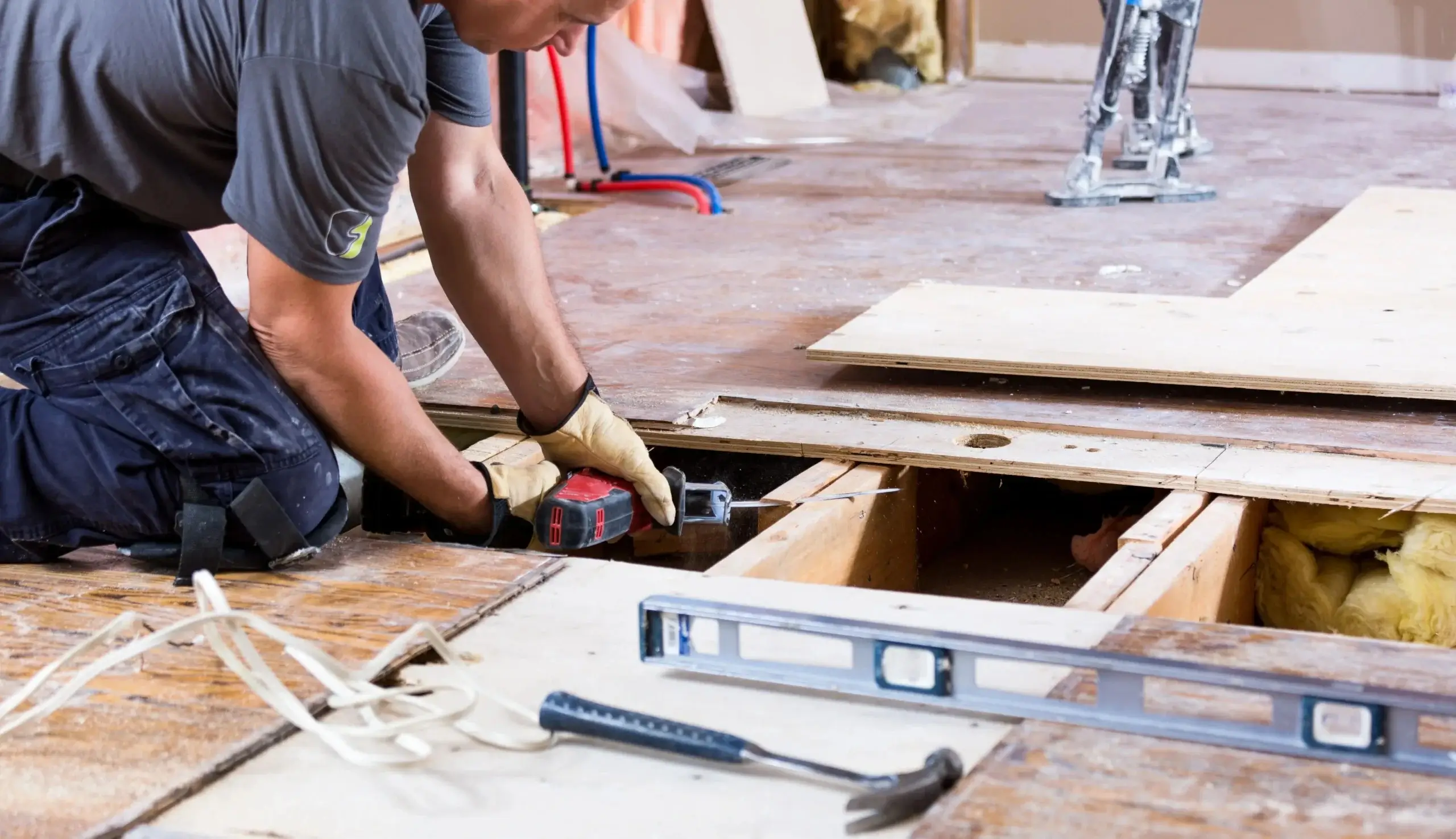
When you invite a renovation team into your home, you are handing over the keys to your most valuable asset. The contractor you select impacts your renovation budget, your project timeline, your workmanship quality, and your overall experience. The difference between a smooth renovation and a stressful one often comes down to the foundation of trust you build with your team.
A major renovation disrupts your daily routine. Without the right professionals leading the way, that disruption can easily turn into chaos. The long-term value of professional project management cannot be overstated. A structured approach ensures that materials arrive on time, tradespeople know exactly what to do, and you are never left wondering what is happening behind the scenes.
At the core of this relationship is the importance of trust and communication. You are making a significant investment to improve your forever home. Knowing how to choose a renovation contractor means finding someone who listens to your concerns, understands your design goals, and values your peace of mind as much as the finished project.
Start With Proper Research Before Reaching Out
Toronto homeowners face unique challenges. From narrow property lines in historic neighbourhoods to specific municipal zoning bylaws, your project requires someone who understands the local landscape. Before you even make a phone call, look for contractors with experience in similar projects. If you are planning a large-scale addition, a contractor who only handles simple bathroom updates might not be the right fit.
Take the time to review portfolios and completed renovations. Do their design aesthetics and quality standards align with your vision? Check online reviews and testimonials to see what past clients say about their experiences. It is also beneficial to ask friends, neighbours, or local referrals about who they have worked with recently. The importance of hiring local contractors familiar with Toronto regulations and permits cannot be ignored. A local team knows the specific building codes and permit approvals required in your neighbourhood, which saves you time and prevents frustrating delays.
Mini insight: Experienced contractors often identify potential issues before construction begins. By thoroughly assessing your home during the initial visits, seasoned professionals spot hidden challenges and adjust the home renovation planning process accordingly.
Verify Credentials, Licensing, and Insurance
It is easy to get caught up in beautiful design photos, but the administrative side of a renovation is just as critical. You must understand how to verify contractor credentials to protect yourself and your property. Start by confirming business licensing requirements in Ontario and your specific municipality. A legitimate business will have no problem providing this information.
Next, ask for proof of liability insurance and WSIB coverage. Why does insurance protect homeowners financially? If an accident happens on your property and the contractor is uninsured, you could be held liable for injuries or damages. Proper coverage ensures that you are never left holding the bill for an unexpected mishap.
You should also ask about permits and inspection handling. A reputable professional will manage the entire permit process and coordinate all necessary municipal inspections. Confirm their certifications and professional affiliations as well. Memberships in recognized industry associations indicate a commitment to ongoing education and ethical business practices.
Questions Every Homeowner Should Ask a Contractor
Interviewing potential partners can feel intimidating, but asking the right questions helps you narrow down your choices. Knowing what to ask before hiring a contractor ensures you uncover their true working style. Here are the essential questions to ask a renovation contractor before hiring them for your home.
- How long have you been in business? Longevity in the industry often points to a stable business model and satisfied clients.
- Can you provide references? Speaking directly to past clients is a great way to gauge reliability and workmanship quality.
- Who manages the project daily? You need to know if the person you are speaking with will actually be on site or if you will be handed off to someone else.
- What is your communication process? Ask how often you will receive updates and who your main point of contact will be.
- How are change orders handled? It is crucial to understand the process for approving mid-project changes so you never face surprise charges.
- What is included in the estimate? Clarify whether the proposal covers all materials, labour, and specific allowances.
- How does your warranty work? A reliable contractor stands behind their work and will offer a clear renovation warranty.
Also Read: 8 Things Every Remodeling Contract Should Have
The Ultimate Practical Evaluation Checklist: 27 Questions You Must Ask When Interviewing a Contractor
Sitting down to interview a potential renovation partner can feel overwhelming. You want to make sure you are trusting your home and your budget to the right people, but it is hard to know exactly what to ask. To help you navigate these conversations with confidence, we have compiled a thorough checklist.
Print this out, take it with you to your consultations, and use it to guide your discussions. A trustworthy professional will be happy to answer every single one of these questions transparently.
Business Stability and Trust
Knowing who you are bringing into your home is the first step to peace of mind.
- How long have you been operating under your current business name?
- Are you licensed to work specifically in Toronto and the Greater Toronto Area?
- Can you provide current proof of liability insurance and WSIB coverage?
- Will you share references from past clients who had projects similar to ours?
- Do you have a portfolio of past work we can review together?
- Are you a member of any professional building associations, such as BILD or RenoMark?
Project Management and Daily Operations
A renovation disrupts your routine. You need to know how the team will respect your space.
- Who will be the dedicated project manager assigned to our home?
- Will there be a supervisor on site every day that work is happening?
- What steps do you take to protect the rest of our home from dust and damage?
- What are your typical working hours, and do you work on weekends?
- How do you handle site cleanup and waste removal at the end of each day?
- Do you use your own dedicated team, or do you rely entirely on subcontractors?
- How do you vet the tradespeople who will be working inside our house?
Communication and Process
Clear communication prevents small misunderstandings from turning into major headaches.
- How often will we receive progress updates, and in what format?
- Do you use a project management software or a daily log system that we can access?
- What is the best way to reach you if we have an urgent question after hours?
- How do you handle problem-solving if an unexpected issue arises behind the walls?
- Who is responsible for submitting drawings and obtaining the necessary municipal building permits?
Financials and Contracts
Your budget is precious, and financial surprises are the most stressful part of any poor renovation experience.
- Is this a fixed-price contract, or is it an estimate that might change as work begins?
- What is your required payment schedule? (Payments should always be tied to project milestones.)
- What is your exact process for documenting, pricing, and approving change orders?
- Are all materials, labour, permit fees, and disposal bins included in this quote?
- What happens if a specific material or fixture we want is suddenly backordered?
Timelines and Warranties
You need to know when you can enjoy your new space and how it will be protected in the future.
- What is the targeted start date and the projected completion date?
- How do you manage the schedule if there are delays outside of your control, like extreme weather?
- Do you conduct a final walkthrough to address any minor touch-ups before the last payment is due?
- What exactly does your renovation warranty cover, and how long does it last?
How to Compare Contractor Bids Properly
Receiving multiple quotes is a standard part of the process, but learning how to compare contractor bids for renovation projects takes patience. Many homeowners wonder why bids can vary significantly from one company to another. The answer usually lies in the details.
When evaluating a remodelling contractor, you must compare scope, materials, labour, timelines, and allowances side by side. One contractor might include premium custom cabinetry in their bid, while another uses low-cost builder-grade materials to make their bottom line look more attractive. You also need to understand what is NOT included in the quote. Are building permits covered? Who is paying for the waste disposal bins?
Avoid comparing quotes based only on the total price. Instead, prioritize an “apples-to-apples” comparison. If one estimate lacks detail, ask the contractor to provide a more specific breakdown. Choosing the right contractor for renovation means finding someone who is transparent about their pricing structure and willing to explain the numbers to you clearly.
Red Flags Homeowners Should Never Ignore
Protecting your investment means knowing the signs of a bad renovation contractor. If you want to know how to avoid a horror story, you must trust your instincts and watch out for these contractor red flags homeowners should know.
Be wary of unusually low bids. If a quote comes in drastically cheaper than the others, it often means the contractor is cutting corners, omitting necessary steps, or planning to add hidden costs later. Large upfront deposits are another warning sign. While a standard deposit is normal to secure your spot in their schedule, asking for half the project cost before any work begins is a major risk.
Always look out for vague contracts or missing details. If a contractor refuses to put their promises in writing, you have no protection if things go wrong. No proof of insurance is a dealbreaker. Do not let anyone work on your home without verifying their liability coverage.
Pressure tactics or rushed decisions should also give you pause. A trustworthy professional will give you the time you need to review their proposal without forcing you to sign immediately. Unrealistic timelines are a common tactic used to win jobs. If everyone else says your addition will take six months and one person promises to do it in two, they are likely overpromising.
Pay attention to a lack of or a limited number of references. If an established company cannot provide a few happy clients for you to call, there is a reason for it. An inability to showcase past work is equally concerning.
Other serious warnings include a lack of a documented process, encouragement not to pursue building permits, and a lack of a project management system with documented daily logs. Attempting to bypass the permit office leaves you legally responsible for unapproved work, which can cause severe issues if you ever decide to sell your home.
Many homeowners overlook the quoting stage as a preview of the entire working relationship. Communication issues before signing often become larger problems during construction. If a contractor takes days to return your emails or provides vague answers when trying to win your business, their responsiveness will only worsen once they have your deposit. Poor communication during the quoting phase is one of the clearest indicators that your project will suffer from delays, misunderstandings, and frustration.
Evaluate Communication and Professionalism
Because you will be communicating with this team for months, evaluating their professionalism early on is vital. Responsiveness and transparency set the tone for a successful partnership. Take note of their punctuality. If they arrive late for an initial consultation without calling, it shows a lack of respect for your time.
Clear documentation and expectations are essential for keeping the project on track. You want a partner who provides a professional project planning process that outlines every phase of the build. The ability to explain technical details simply is a wonderful trait. A good contractor acts as a trusted advisor, walking you through complex structural issues or design choices in a way that makes you feel empowered, not overwhelmed.
Ultimately, the communication process is one of the strongest indicators of project success. When a team communicates well, you feel confident that your home is in capable hands.
Understanding Contracts, Payments, and Change Orders
A handshake is a nice gesture, but it does not protect your home. The importance of detailed written agreements cannot be stressed enough. A solid renovation contract outlines the entire scope of the project and leaves no room for assumptions.
Your payment schedule should always be tied to project milestones. This ensures you are only paying for work that has actually been completed. For example, a payment might be due after the foundation is poured, and another after the drywall is finished.
Understanding the change order process and approval expectations is another key step. Changes are a natural part of renovating. You might decide to upgrade your tile or discover unexpected plumbing behind a wall. A professional construction agreement dictates that any changes must be documented, priced, and approved by you in writing before the work continues. This prevents surprise invoices at the end of the project.
Timeline clarity and contingency planning should also be included in your agreement, along with the specific warranty details homeowners should request. Knowing how long the contractor guarantees their work provides long-lasting peace of mind.
Design-Build vs Traditional General Contractor Model
As you explore your options, you will likely come across different business models. Understanding the difference between design-build firms and general contractors helps you choose the right fit for your specific needs.
If you are planning a very simple project that does not require structural changes or extensive design work, hiring a general contractor might make more sense. General contractors are often a suitable choice when you already have your own architect and completed blueprints, or when you are simply replacing finishes like flooring and paint in a straightforward space.
However, if you are looking to stay in your home long-term and need help with space planning, the design-build firm model is typically the superior choice. A design-build firm handles everything under one roof. The benefits of integrated planning and construction mean that the designers and the builders are on the same team from day one. This leads to improved communication and accountability because there is no finger-pointing between separate companies.
The design-build approach also provides streamlined budgeting and scheduling. Because the builder is involved during the design phase, they can ensure the proposed designs actually work with your renovation budget. It is a process-driven approach tailored for homeowners who appreciate quality and want to avoid stressful surprises.
Real-Life Scenario Examples
Sometimes the best way to understand how to avoid renovation scams is to look at real homeowner experiences. These scenarios highlight how your choice of contractor dictates your reality.
Scenario 1: Lowest Bid Disaster
A homeowner in Toronto wanted to expand their kitchen. They received three contractor bids and chose the cheapest one to save money. Unfortunately, the low bid lacked a detailed scope of work. Halfway through the project, the contractor demanded more money for basic plumbing upgrades that were left out of the initial estimate. The homeowner faced severe delays, hidden costs, and massive stress because they chose price over a thorough evaluation.
Scenario 2: Professional Design-Build Experience
Another family wanted to add a second story to their forever home. They valued a process-driven approach and selected a design-build firm. The firm provided a precise plan, handled all building permits, and offered an integrated design phase. Clear communication and planning created a smoother renovation. The family received daily logs through a project management system, allowing them to follow the progress without constantly visiting the messy site.
Scenario 3: Mid-Project Budget Changes
During a main floor remodel, a homeowner decided they wanted to remove a load-bearing wall to create an open concept. Because they hired a professional team with proper systems, the contractor paused the work and issued a formal change order. The homeowner reviewed the new engineering costs, signed the approval, and the project resumed. Proper change order systems reduce stress and confusion, proving that a documented process protects the client.
Also Read: Full Home Renovation Cost Per Square Foot in Toronto
A Simple Contractor Evaluation Checklist
To make your decision easier, keep this contractor evaluation checklist handy. Following these steps ensures you cover all your bases before signing an agreement.
-
- Verify credentials: Always check licensing, WSIB, and liability insurance.
- Read Online Reviews: Don’t just skim the rating but read them. You’ll identify genuine reviews from fake ones easily (not short and perfect sounding).
- Review past projects: Ensure their quality and style match your expectations.
- Compare bids carefully: Look at the detailed scope of work, not just the final price.
- Check communication style: Note how quickly and clearly they answer your questions.
- Understand contracts fully: Confirm payment schedules and change order processes.
- Speak with references and visit past jobs: Ask past clients about their experiences.
- Trust professionalism over price alone: Value transparency and a documented process above a cheap estimate.
Keep this simple framework saved on your phone or printed out as a quick reference when interviewing potential partners for your home.
Choose a Contractor That Protects Your Investment

The right contractor delivers much more than just construction. They provide guidance, transparency, and the peace of mind you deserve when altering your most valuable asset. A successful renovation always starts with careful planning and proper evaluation. By taking the time to ask the right questions, you protect yourself from unnecessary stress.
Homeowners should prioritize experience, communication, and professionalism over low pricing alone. Choosing the cheapest quote often leads to a disorganized project, whereas working with a trusted design-build firm can reduce risk and significantly improve your renovation outcomes. You deserve a team that listens to your fears, addresses your concerns, and uses a proven process to deliver a beautiful result.
If you are planning a renovation and want expert guidance from a team that values transparency, craftsmanship, and long-term results, SOSNA can help. We understand that your home is your sanctuary, and we treat every project with the rigorous planning and respect it demands.
Make confident renovation decisions with a team you can trust.
Choose a Contractor You Can Trust for Your Renovation
Book a Free Consultation with SOSNA
354 Views