


When you walk into your kitchen, few features make a larger visual impact than the cabinets. Not only do they help organize dishes and appliances, but they also play a major role in the overall interior design of the space.
One of the most important decisions in a kitchen renovation is whether your kitchen cabinets should reach the ceiling or stop short and leave a gap. Both options have distinct advantages depending on your home, lifestyle, and renovation goals. If you are planning a kitchen renovation in Toronto or considering a broader home renovation, understanding the pros and cons of kitchen cabinets to the ceiling can help you make a confident decision.
What Are Ceiling-Height Kitchen Cabinets?
Ceiling-height kitchen cabinets are upper cabinets designed to extend all the way from the countertop to the ceiling, with no visible gap above. This style is commonly used in modern kitchens, custom homes, and high-end renovations where a seamless and cohesive look is desired. Kitchen cabinets that go to the ceiling often require precise measurements and custom adjustments, especially in older homes with uneven ceilings.
Kitchen Cabinets and Home Renovations
The value of minor kitchen renovations is undeniable. In the latest 2025 report from the National Association of Realtors, homeowners who sell after upgrades like new cabinetry recover approximately 60 percent of the project cost.
There is also the joy factor. Kitchen upgrades consistently rank among the top renovations for homeowner satisfaction, offering a major lifestyle improvement alongside increased property value. Whether part of a full home renovation in Toronto, a condo renovation, or a targeted kitchen upgrade, cabinetry plays a central role.
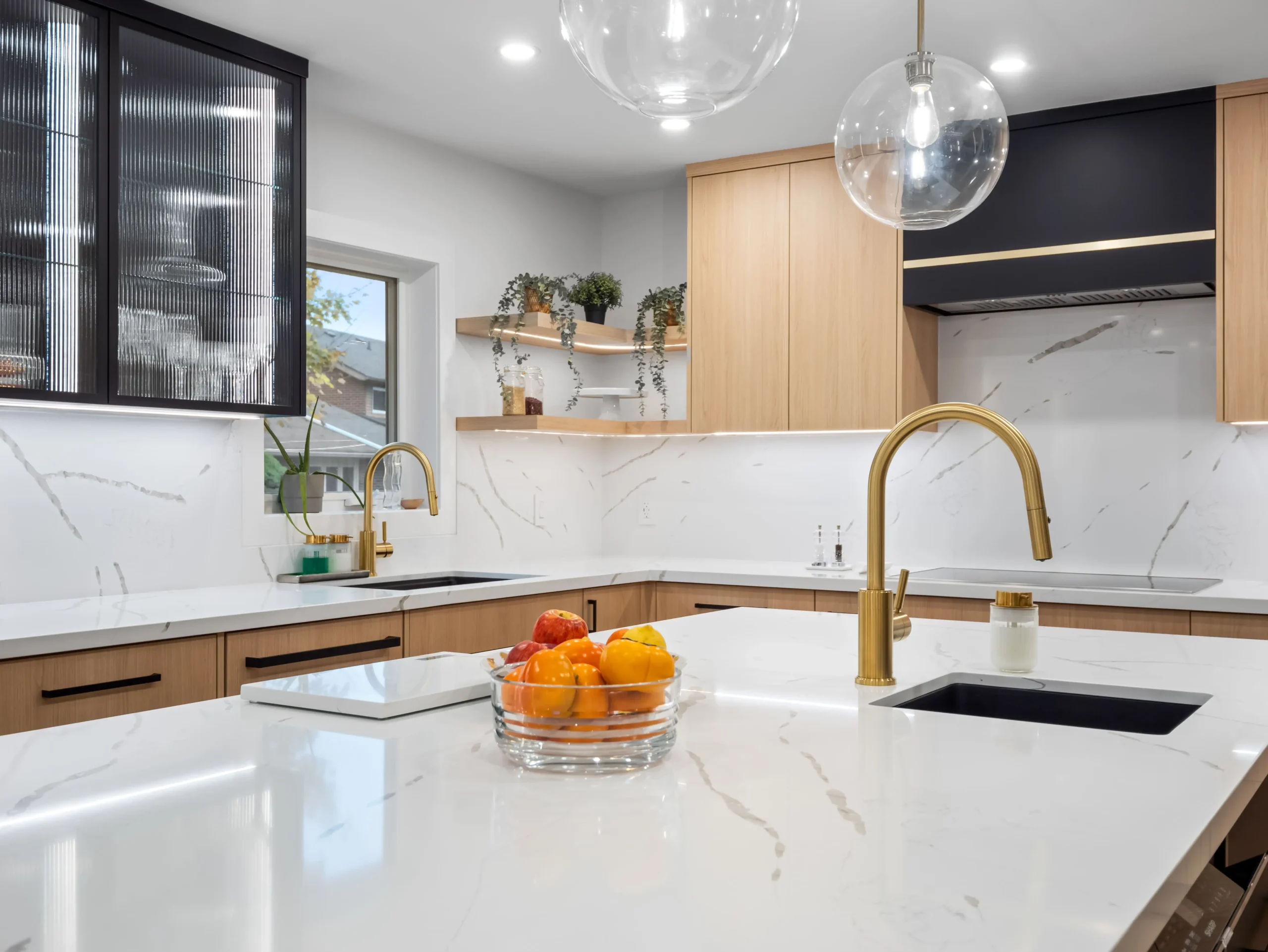
The Pros of Kitchen Cabinets That Reach the Ceiling
Space Efficiency
Kitchen cabinets to the ceiling provide valuable extra storage, typically adding six to twelve inches of usable space. This is ideal for storing seasonal items, specialty appliances, or pieces used less frequently.
Clean and Modern Look
Ceiling-height cabinets create strong vertical lines that visually lift the room. This makes kitchens feel taller and more refined, particularly in homes with standard or lower ceiling heights. This look is especially popular in modern interior design and custom kitchen renovations.
Less Dusting and Cleaning
One of the biggest practical benefits is eliminating the open surface where dust, grease, and grime tend to collect. Kitchen cabinets that go to the ceiling reduce long-term maintenance and simplify cleaning.
Increased Property Value
Tall cabinetry is a desirable feature for today’s buyers. As part of a kitchen renovation in Toronto, ceiling-height cabinets can make an older kitchen feel current and move-in ready, helping attract future buyers even if you are not planning to sell right away.
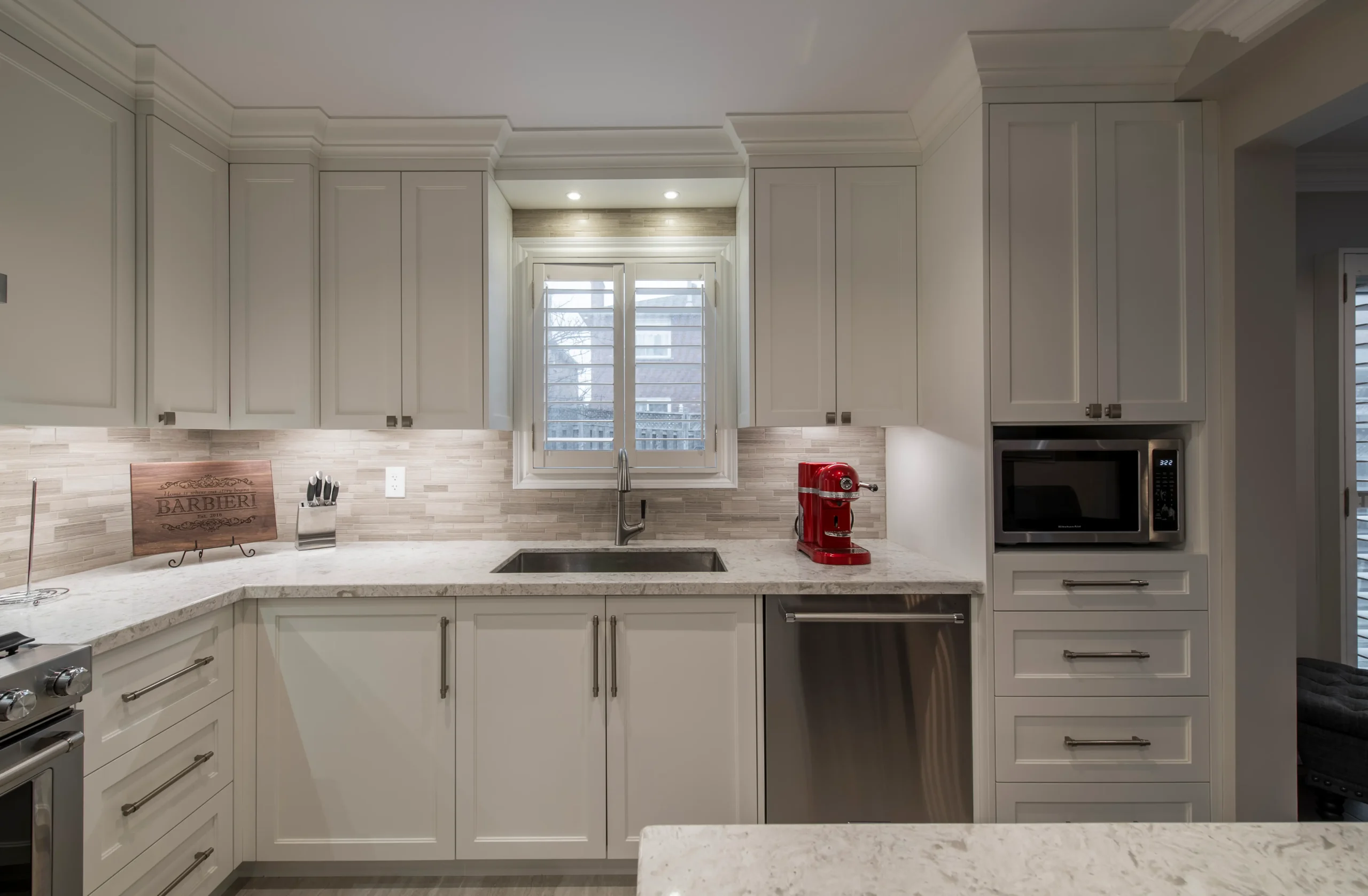
The Cons of Kitchen Cabinets That Reach the Ceiling
Cost
Ceiling-height cabinets typically cost more due to added materials, custom fitting, and installation complexity. This can impact budgeting for other renovation priorities such as countertops, lighting, or flooring.
Accessibility
Uppermost shelves can be difficult to reach without a step stool. If accessibility is a concern, it is important to plan storage carefully so everyday items remain within easy reach.
Design Constraints
In existing homes, uneven ceilings, ductwork, or wiring can complicate installation. These factors may require additional carpentry or design adjustments during the renovation process.
Factors to Consider When Deciding if Your Cabinets Should Reach the Ceiling
Ceiling height, lifestyle needs, budget, and overall home design should all influence your decision. Homes with ceilings under nine feet often benefit visually from full-height cabinets, while kitchens with very high ceilings may feel overwhelmed by them. Consider how much storage you truly need and how often you will access the upper shelves.
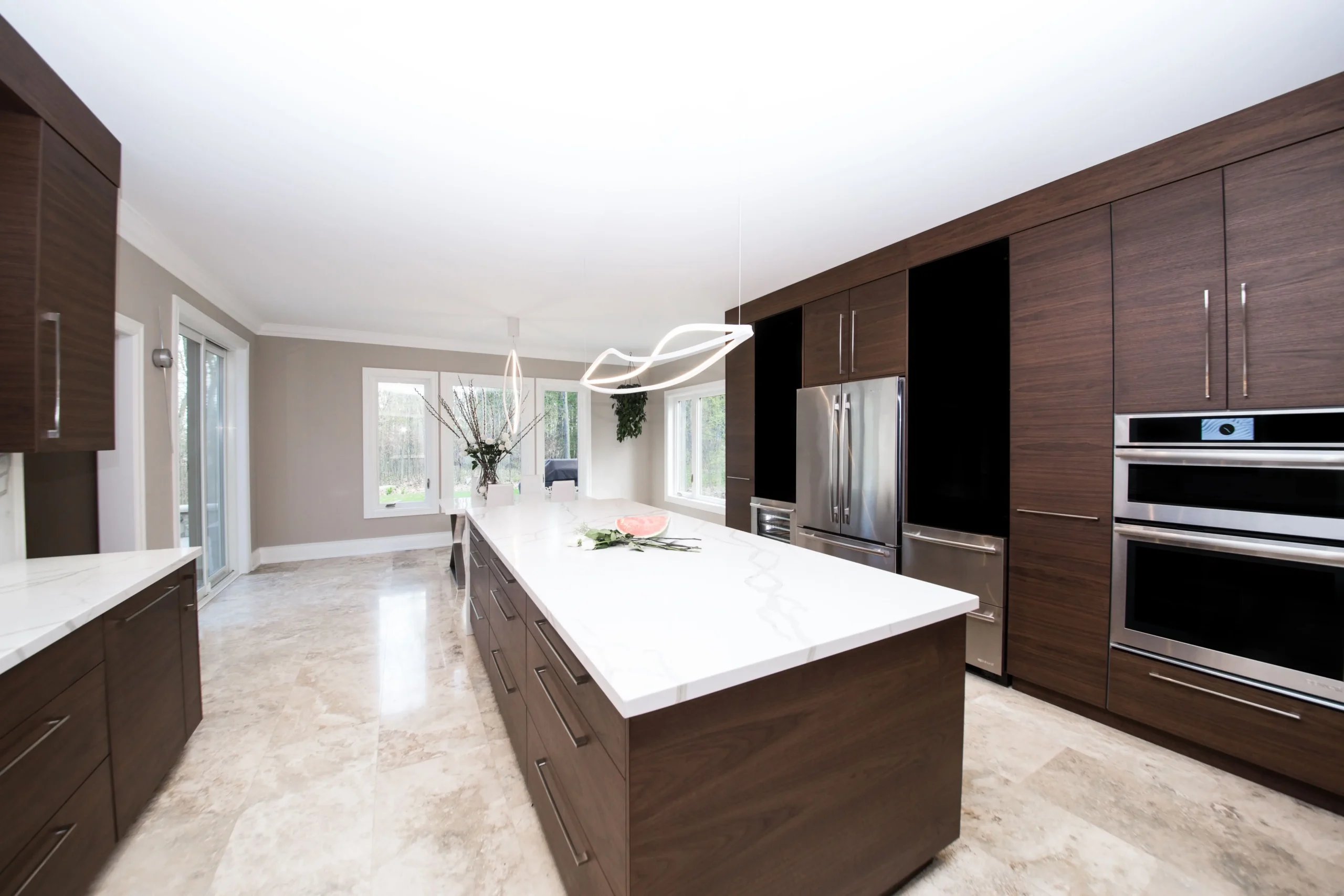
Design Tips for Integrating Ceiling-Height Cabinets
Choose finishes that complement your ceiling color to maintain visual flow. Flat-panel or shaker doors work especially well with ceiling-height designs.
Integrating hidden appliances, such as panel-ready refrigerators, enhances the seamless look and reinforces a cohesive interior design approach.
Alternatives to Full Ceiling-Height Cabinets
Traditional Cabinet Look
Cabinets that stop short of the ceiling offer easier access and a more classic appearance. This style works well in traditional kitchens or homes with decorative ceiling elements.
Lower-Cost Options
Leaving a gap can reduce material and labor costs, allowing more budget flexibility for countertops, backsplash upgrades, or lighting.
Preserved Ceiling Features
If your kitchen features exposed beams, millwork, or architectural ceiling details, keeping cabinets lower helps preserve those focal points.
How to Decide If Ceiling-Height Cabinets Are Right for You
Ask yourself how you use your kitchen daily, how much storage you need, and whether you prioritize aesthetics or accessibility. For homeowners planning a full home renovation, basement renovation, home additions, or even a bathroom renovation, aligning cabinet design with the overall vision of the home is key.
Take Your Kitchen to New Heights With Sosna Home Renovations
Choosing whether your kitchen cabinets should reach the ceiling is not just a design decision. It is an investment in how your home functions, feels, and grows with you.
At Sosna, we specialize in kitchen renovation in Toronto, condo renovation, home additions, basement renovation, bathroom renovation, and full-scale home renovation projects. Our design-led approach ensures every detail supports both beauty and livability.
If you are considering kitchen cabinets to the ceiling or planning your next renovation, contact Sosna to book a consultation and explore what is possible for your home.