

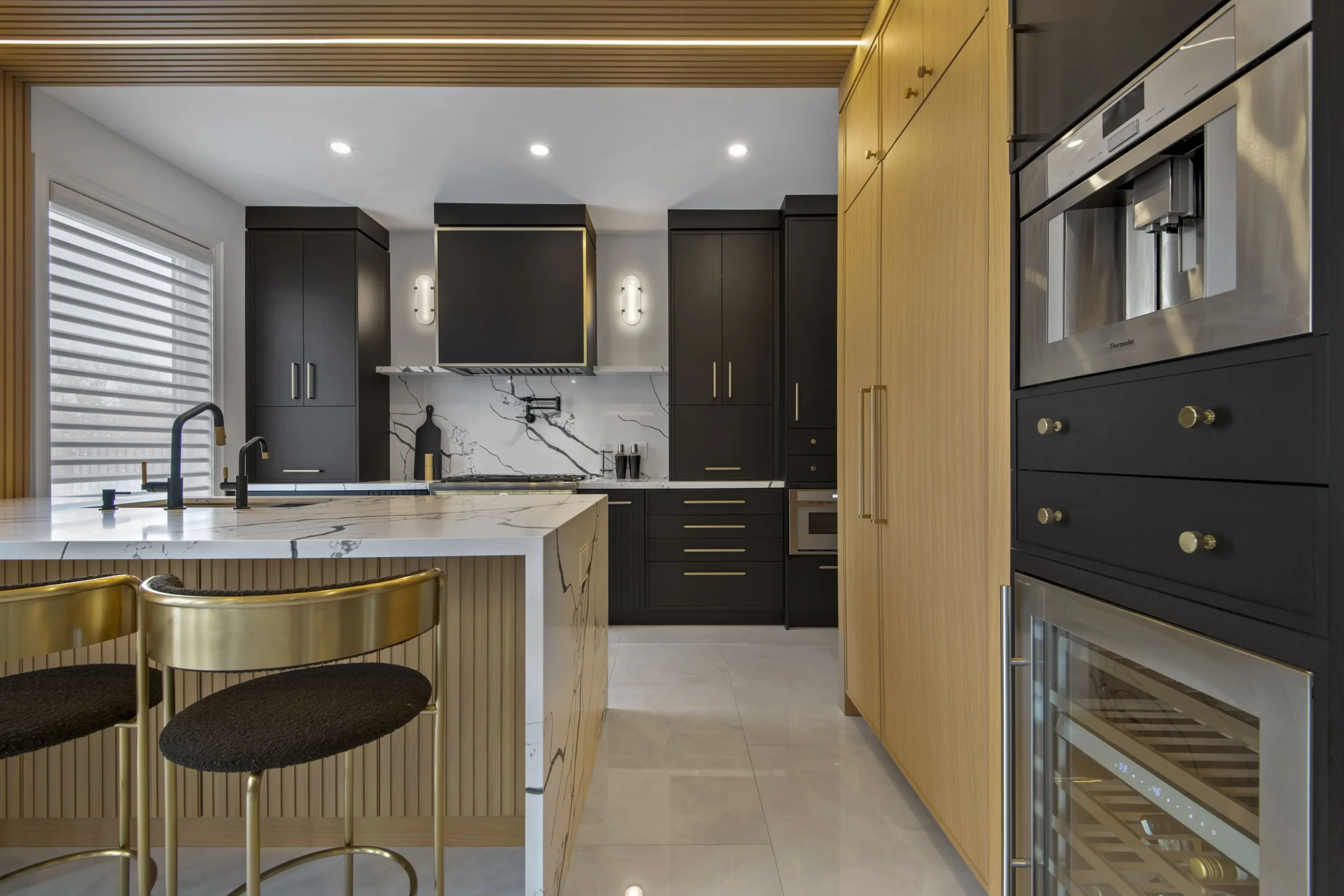
Your kitchen cabinets deserve a refresh from time to time. Instead of reaching for a quick coat of paint that only masks imperfections, it may be worth considering a deeper upgrade.
Cabinet improvements remain one of the most popular home renovation projects. In recent surveys, over 90 percent of homeowners completing a kitchen renovation in 2024 or 2025 included some form of cabinet upgrade. When it comes to updating cabinets, there are two main options to consider: refacing kitchen cabinets or choosing to replace kitchen cabinets entirely.
Both options can dramatically improve the look of your kitchen, but they serve very different needs. Whether you are planning a kitchen renovation in Toronto, a condo renovation, or a full home renovation, understanding the difference between refacing and replacing cabinets will help you make the right choice.
What Is the Difference Between Refacing and Replacing Kitchen Cabinets?
Although the terms are often used interchangeably, refacing and replacing kitchen cabinets are very different in scope, cost, and impact. Both update the appearance of your kitchen, but only one allows for structural and layout changes.
How Refacing Kitchen Cabinets Works
Refacing kitchen cabinets is the faster and less invasive option. It involves removing cabinet doors and drawer fronts while keeping the existing cabinet boxes in place. The visible surfaces are then updated using paint, veneer, or laminate finishes.
New doors and hardware are installed to complete the refreshed look. In some cases, small enhancements such as trim details or cabinet extensions can be added, but the overall layout remains unchanged. Because the structure stays intact, refacing kitchen cabinets typically takes only a few days and causes minimal disruption.
What Is Involved in Replacing Kitchen Cabinets
Replacing kitchen cabinets is a full removal and rebuild process. Existing cabinets are taken out, often along with countertops and appliances, allowing contractors to address plumbing, electrical, and ventilation updates behind the walls.
This option is most common during a full kitchen renovation or broader home renovation in Toronto. Cabinet replacement allows for layout changes, increased storage, improved functionality, and modern interior design solutions such as kitchen cabinets to the ceiling or hidden appliances.

Refacing vs Replacing Kitchen Cabinets: Key Factors to Consider
Cost
Refacing kitchen cabinets generally costs 25 to 50 percent less than full replacement, depending on materials and finishes. It is a popular choice for homeowners seeking a visual update without the expense of new cabinetry.
Replacing cabinets costs more but provides long-term value when existing cabinets are damaged, outdated, or poorly configured.
Timeframe
Refacing projects are typically completed in days. Cabinet replacement often takes a week or more, especially when custom cabinetry is involved. Stock cabinet options can help shorten timelines when replacement is necessary.
Design Flexibility
Replacing cabinets offers the greatest design freedom, including layout changes, new storage solutions, and modern styles. Refacing kitchen cabinets allows for cosmetic updates but cannot correct poor layouts or add interior storage.
Long-Term Value
Both options increase home appeal. Replacing cabinets generally adds more long-term value, particularly when paired with other upgrades such as flooring, countertops, or a basement renovation or home additions project.
Related Renovations
If your kitchen renovation includes new countertops, appliances, or structural repairs, replacement often makes more sense. Refacing is ideal when the rest of the kitchen is in good condition.
Eco-Friendliness
Refacing kitchen cabinets is an environmentally friendly option that reduces demolition waste. It extends the life of existing materials while still delivering a refreshed look.
Layout Changes
Refacing does not allow for layout changes. If you need better flow, more storage, or improved accessibility, replacing cabinets is the better choice.
Also Read: Kitchen Design Mistakes That Increase Renovation Costs
When to Replace Kitchen Cabinets
Replacing cabinets is usually the right option if:
- Cabinets are damaged, warped, or difficult to use
- Storage is insufficient
- You want to change the kitchen layout
- Repairs are needed behind or beneath the cabinets
In these situations, replacement allows you to rebuild the kitchen properly and create a space that supports your lifestyle.
When to Reface Kitchen Cabinets
Refacing kitchen cabinets may be the better option if:
- Cabinet boxes are in good condition
- Storage meets your needs
- You want a fast and budget-friendly update
- You are preparing for a sale or event
Well-built cabinets can often gain another decade or more of life through refacing. 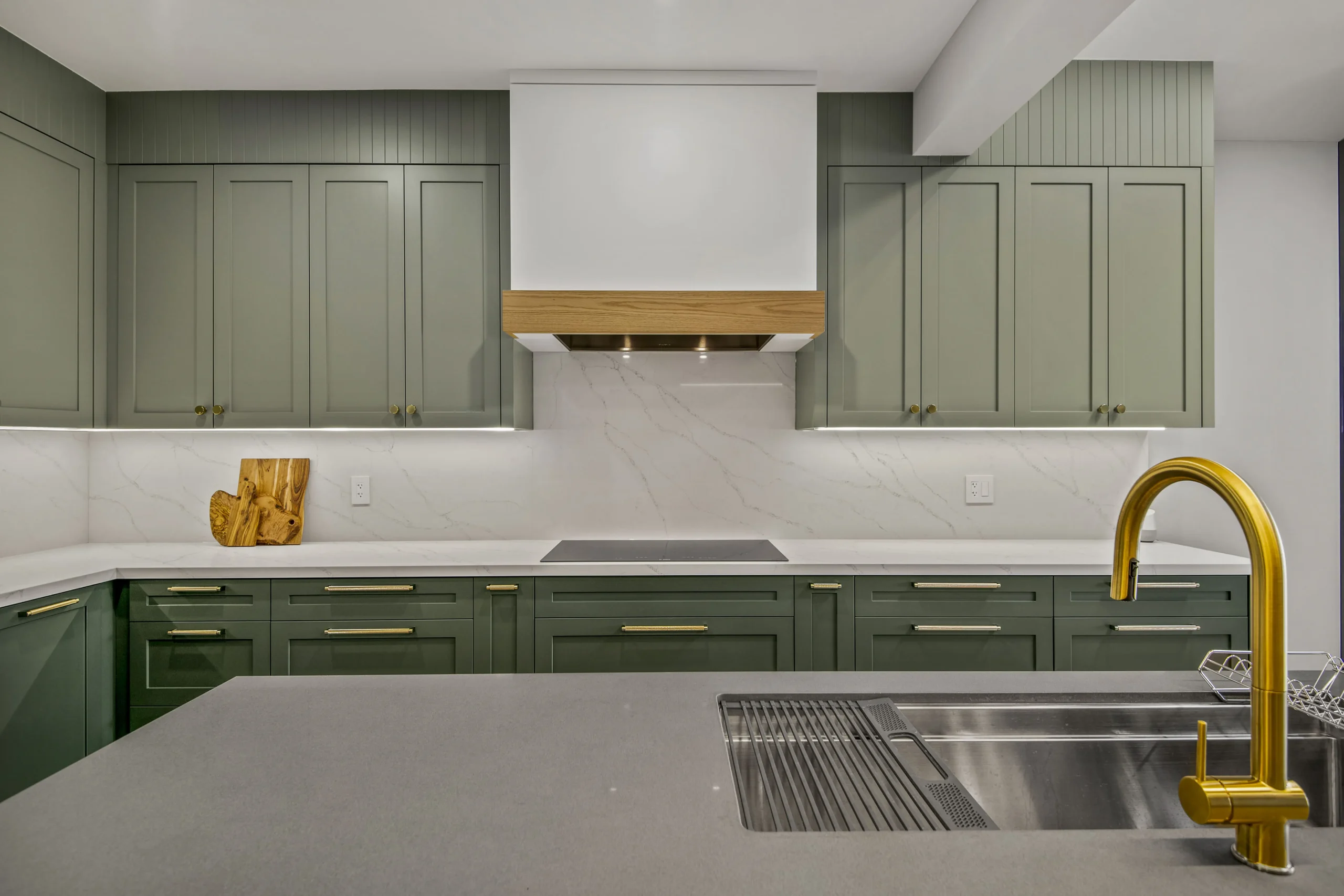
Refacing or Replacing Kitchen Cabinets as Part of a Larger Renovation
If you are already planning a bathroom renovation, basement renovation, home additions, or a full home renovation in Toronto, cabinet replacement often makes sense as part of a cohesive design strategy. For smaller updates focused on aesthetics, refacing kitchen cabinets can be an efficient solution.
Transform Your Kitchen With Sosna Home Renovations
Choosing whether to replace or reface kitchen cabinets is an important decision that affects both function and long-term value.
At Sosna, we specialize in kitchen renovation in Toronto, interior design, condo renovation, basement renovation, bathroom renovation, and full home renovations. Our team helps you evaluate your space, budget, and goals to determine the solution that makes the most sense for your home.
Contact Sosna today to book a consultation and take the next step toward a kitchen that truly works for you.